Floor glue removal • Raleigh–Durham

Adhesive Removal in Raleigh, NC

The flooring is gone, but the glue is still there. We remove stubborn carpet glue, hardwood adhesive and flooring residue with scraping and mechanical preparation matched to the substrate and the next installation.

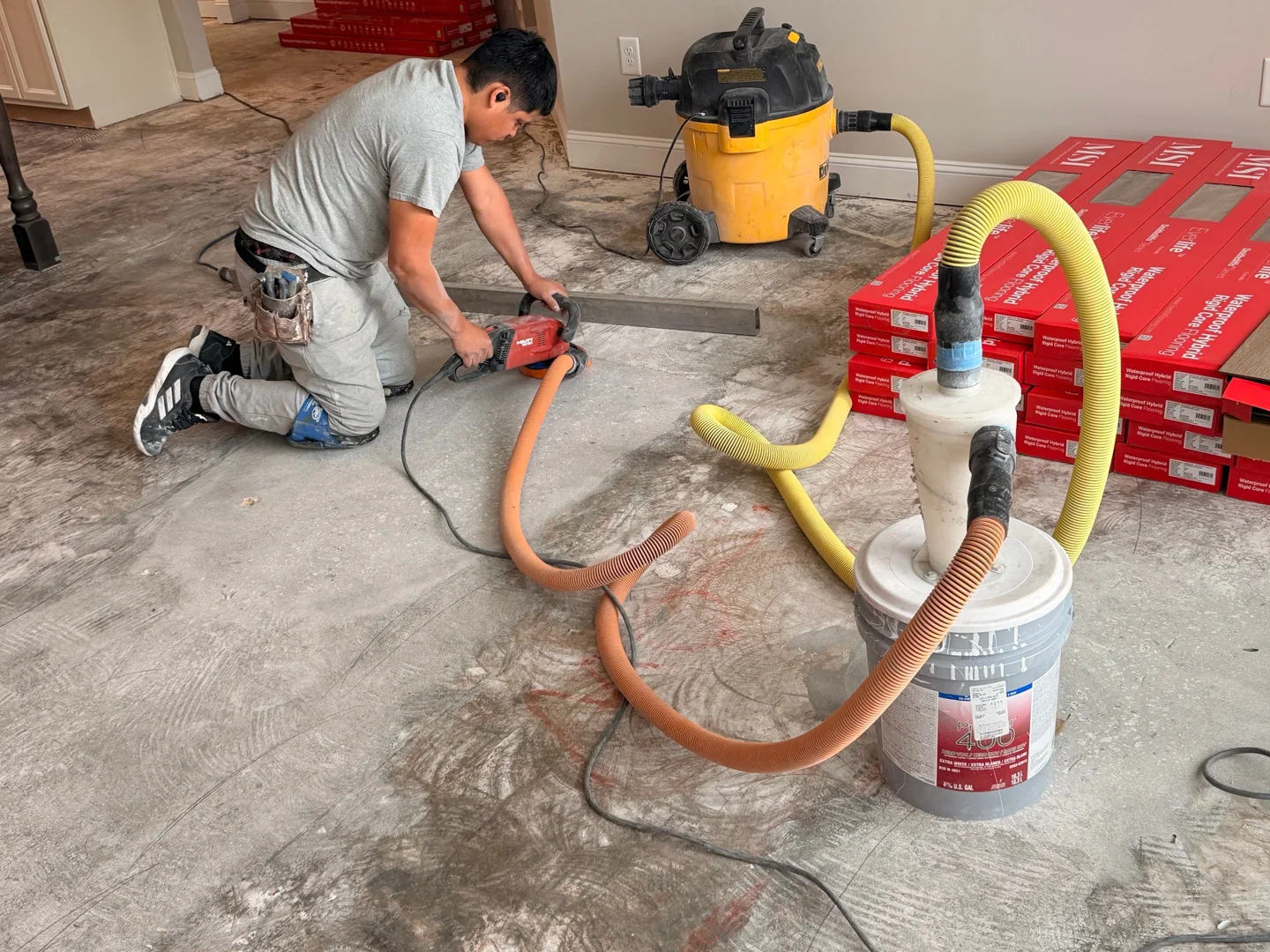
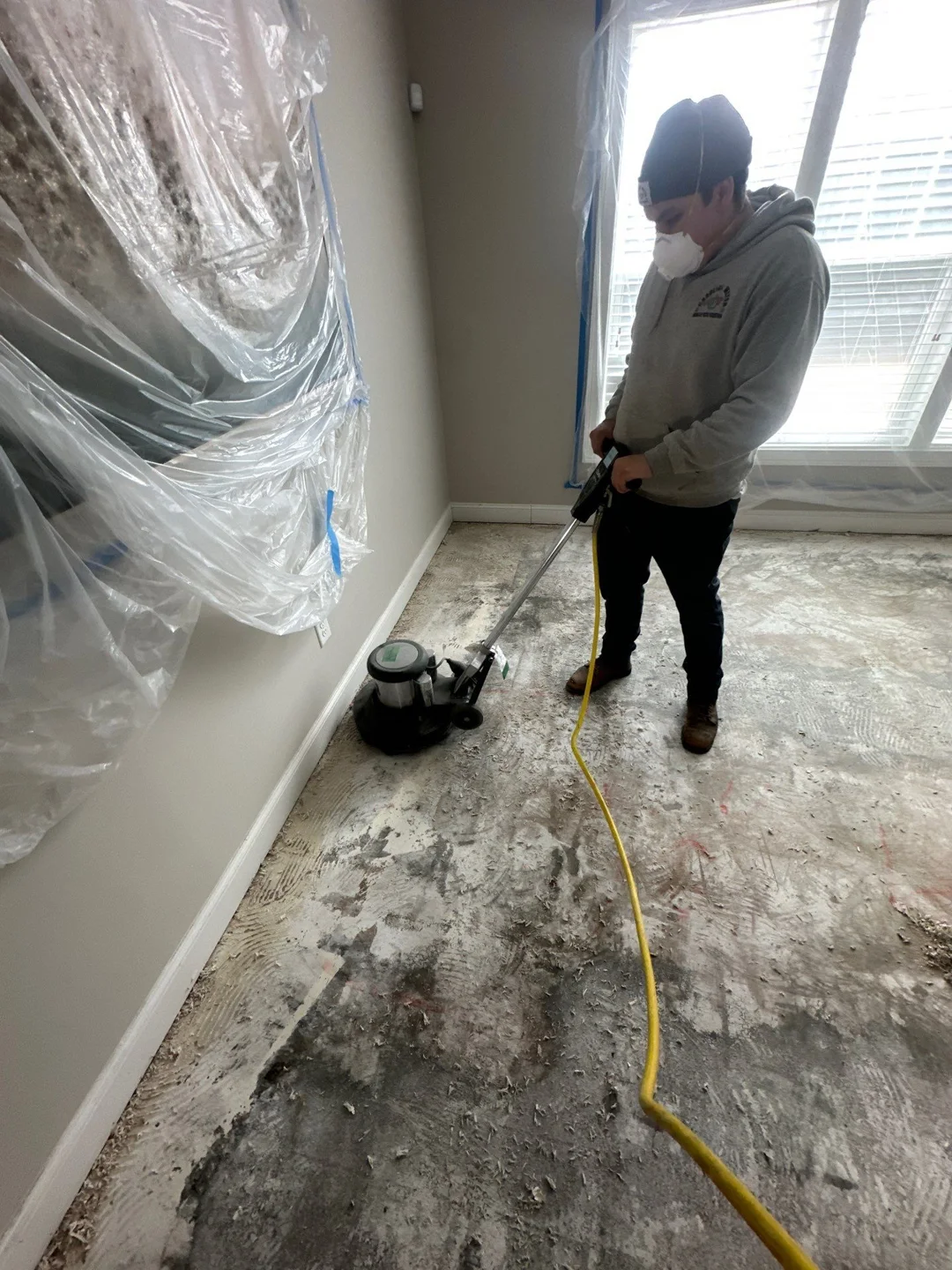
Technician using a rotary floor machine to remove adhesive residue on the Rob Riviello project

A complete removal scope

Remove the residue. Define the next-floor handoff.

The visible material is only one part of a flooring assembly. What is attached beneath it, how the debris leaves the property, and what the next product requires all affect the right removal plan.

We evaluate those conditions before scheduling, then state the agreed demolition, disposal, and surface-preparation target in the estimate. That makes the work easier to plan and gives the next trade a clearer starting point.

Fast material handling

Carpet is bulky even when it is not difficult to release. We plan cutting, rolling, staging, and disposal so the work area and access paths stay manageable.

Why removing the glue matters

Raised adhesive, loose backing and wood fibers can interfere with the next floor's bond or leave an uneven starting surface. We confirm what needs to be removed against the replacement-floor requirements, then price removal and substrate cleanup as a coordinated scope.

Residential or commercial

From one occupied home to an office suite or facility, we adjust crew size, phasing, and turnover expectations to the property.

Scraping and grinding for the actual conditions

Adhesives vary in hardness, thickness and bond. We assess the residue and substrate, then choose scraping, a rotary floor machine or grinding where appropriate. Edges and transitions may need separate hand work. The estimate states the removal method and turnover target.

A practical handoff to your flooring installer

Adhesive removal exposes the substrate; it does not automatically include leveling, crack repair, moisture mitigation or every requirement of a new flooring system. We define those boundaries before scheduling. Adhesive shadowing or staining may remain after raised residue is removed.
From an actual CFD job

See what floor glue removal looks like.

These photos from the Rob Riviello project show the work between flooring demolition and the next installation.

Removing the flooring left bonded residue across the slab. Our crew worked the surface with a rotary floor machine, collected loosened material, and addressed edges with smaller equipment. The machine photo above and the sequence below show the actual conditions and preparation work.

The goal is the agreed substrate condition for the next trade. An exposed slab can still show staining or adhesive shadows; appearance alone does not establish that it meets every requirement for a particular flooring product.

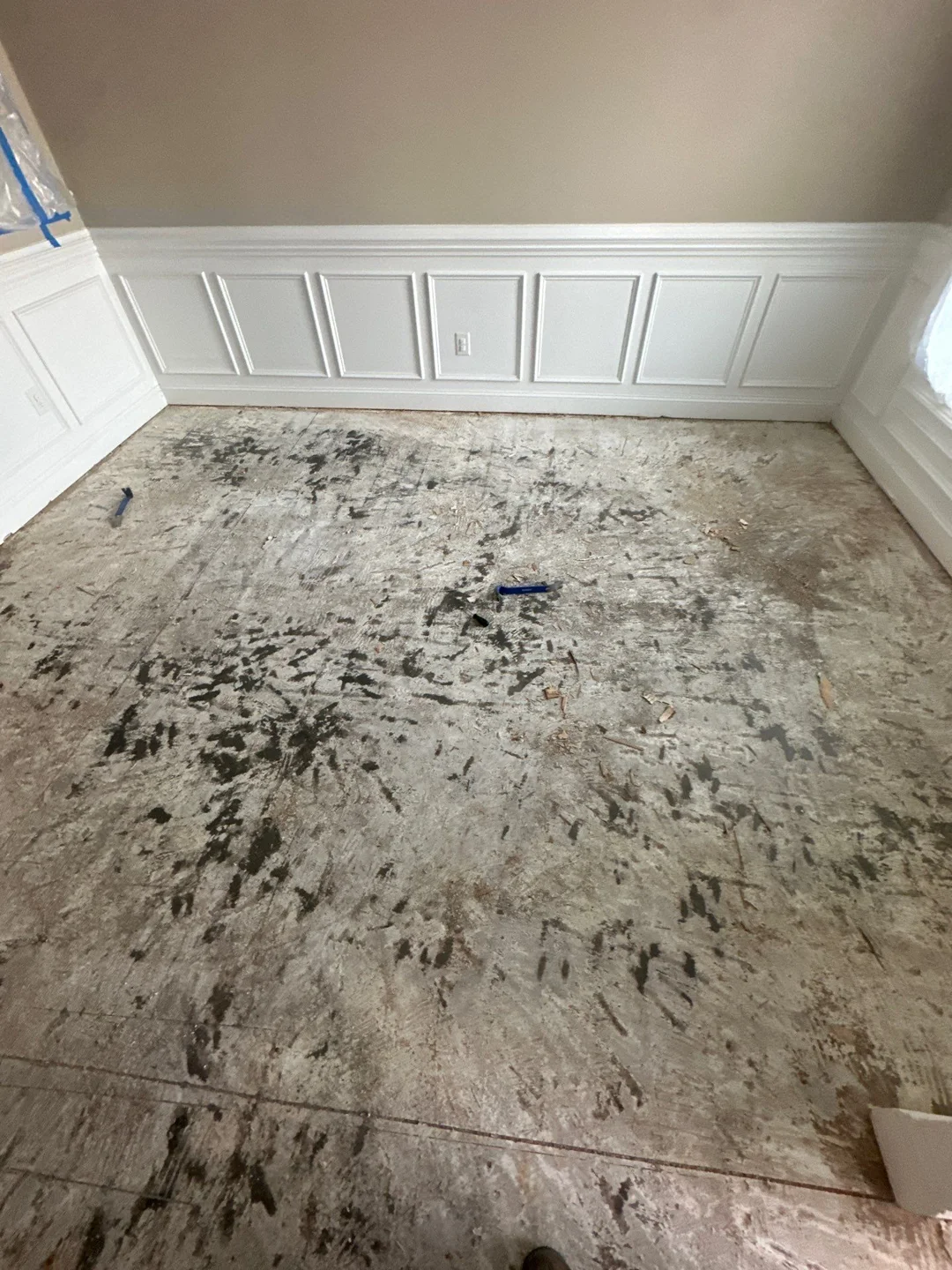
Heavy flooring adhesive residue remaining across the exposed slab
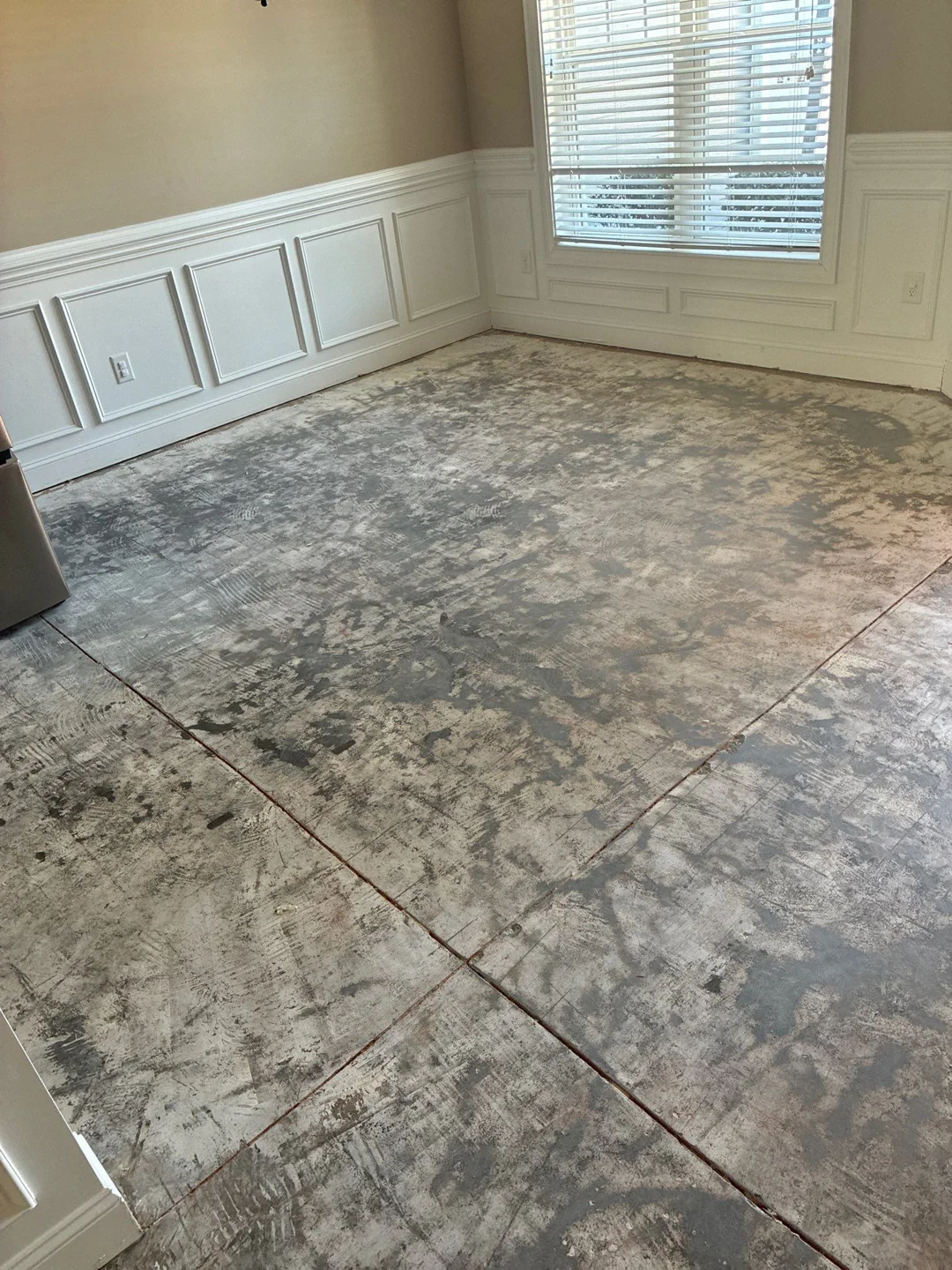
Before preparation: bonded residue remains after the flooring comes up.
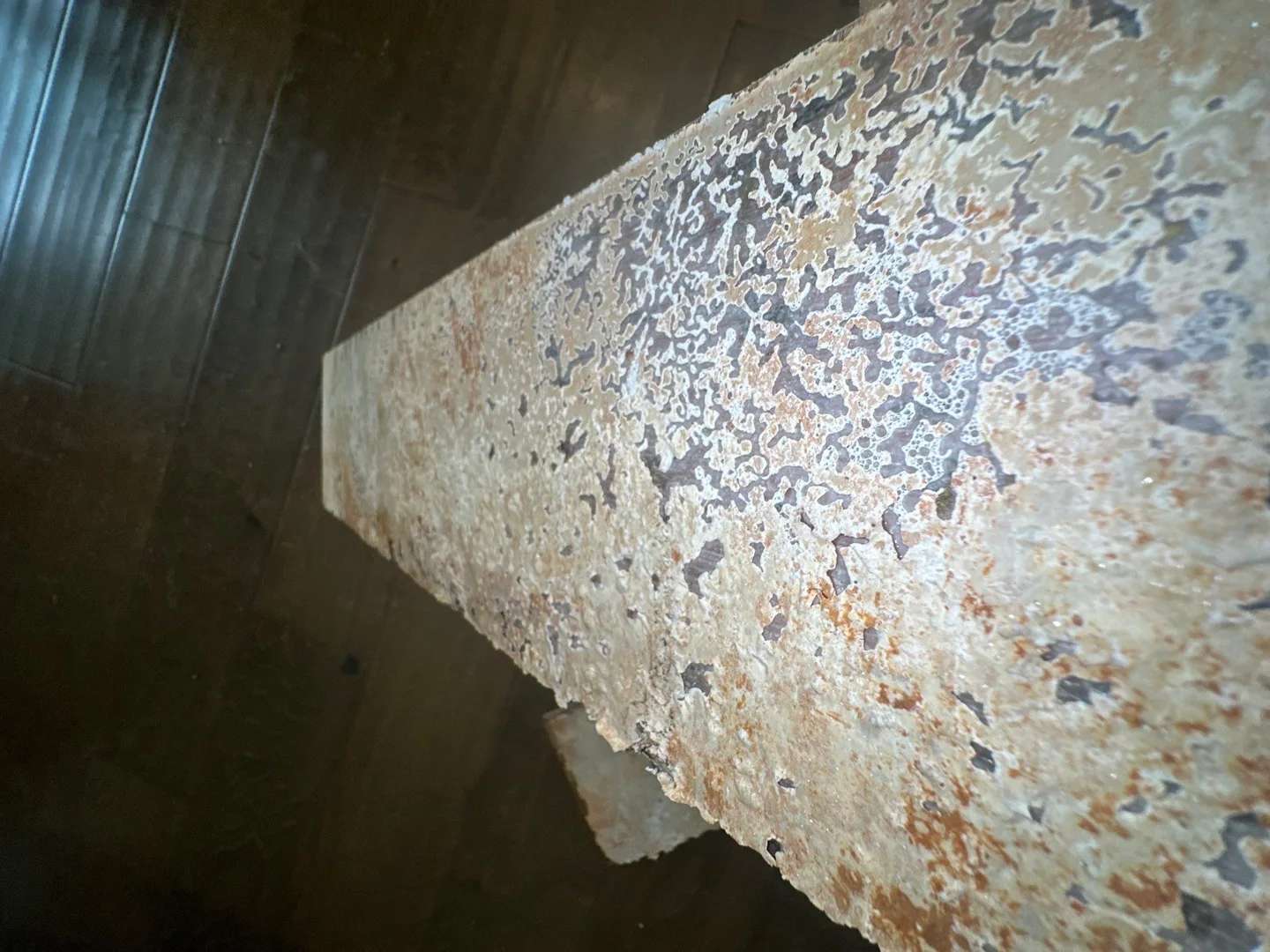
Close view of thick glue and flooring residue on the concrete substrate
Close up: the raised material that needs attention before the next installation.
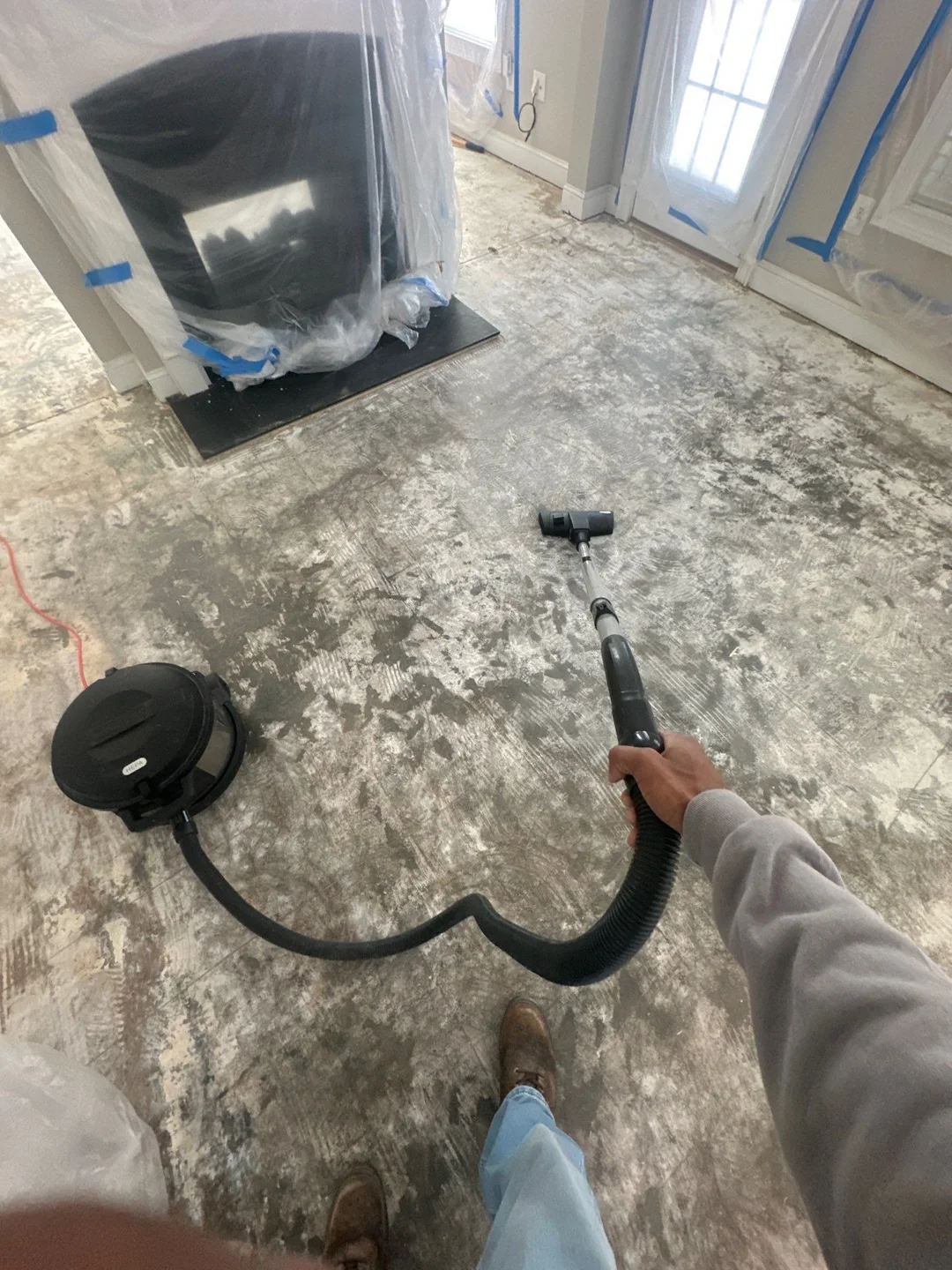
Vacuum cleanup beside the rotary machine during adhesive removal
During the work: collect loosened residue and clean the work area.
Technician performing detailed edge preparation with a vacuum hose attached to the tool
Edge work: smaller equipment reaches areas the floor machine cannot.
Exposed concrete slab following mechanical preparation on the Rob Riviello project
Following mechanical preparation: the exposed slab, with visible surface variation.

Raleigh-based floor removal specialists

Plan demolition and preparation together.

Homeowners, flooring contractors, remodelers, general contractors, commercial facilities and restoration teams can work with one crew on flooring removal, residue preparation and debris hauling. We review the bond, substrate, access and next flooring product before defining the scope.

We serve Raleigh and the surrounding Triangle. Explore our documented floor demolition projects to see the conditions our crews work through.

Typical scope

Material out. Next phase considered.

Exact inclusions depend on the site and written estimate. These are the conditions we commonly evaluate.

Materials and layers

  • Broadloom carpet and pad
  • Glue-down carpet and carpet tile
  • Tack strip, staples, and transitions
  • Carpet adhesive and backing residue
  • Glue-down hardwood adhesive and remaining wood fibers
  • Vinyl flooring adhesive and mastic, after material assessment
  • Heavy glue ridges and loose residue

Common project situations

  • Office and tenant improvements
  • Property turnovers
  • Restoration and odor-related removal
  • Residential flooring replacement
  • Flooring contractors, remodelers and general contractors
  • Commercial facilities and restoration teams

How we approach it

Specialized tools, controlled work, clear expectations.

Protect the property

Access paths, nearby finishes, occupied areas, dust-control measures, and debris staging are considered before demolition begins.

Match the method

We select equipment and removal tactics around the actual material, bond, layer buildup, substrate, and site constraints.

Confirm the handoff

Scraping, grinding, cleanup, hauling, and turnover conditions are stated in the scope rather than assumed after the fact.

Common questions

Before your carpet & adhesive project.

Do you remove furniture?

Furniture handling can sometimes be coordinated, but it must be discussed during estimating. The quote will state whether rooms need to be cleared before arrival.

Do you remove carpet tile glue?

Yes. The method depends on the adhesive, substrate, age, and replacement-floor requirements.

Can you handle a large commercial space?

Yes. Send plans, photos, square footage, access information, and schedule requirements so we can evaluate crew and equipment needs.

Can you remove adhesive left after glue-down hardwood demolition?

Yes. Hardwood removal can leave adhesive ridges, splinters and wood fibers bonded to the slab. Scraping or mechanical preparation can be included with demolition or quoted separately.

Do you grind all adhesives?

No. We choose the method after reviewing the material and substrate. Some residues respond to scraping; others need mechanical preparation. Unknown or older materials may require testing before disturbance.

Can you remove black mastic or unknown old flooring glue?

Age and color alone cannot identify an adhesive. Older or unknown flooring materials may require testing for asbestos before removal. We do not grind suspect material without resolving that assessment first.

Will the slab be ready for any new flooring?

The handoff condition is defined in the estimate. Adhesive removal is separate from leveling, patching, moisture treatment and product-specific installation requirements. Tell us what will be installed next so we can coordinate with your installer.

How much does adhesive removal cost?

Pricing depends on area, adhesive thickness and bond, substrate, equipment access, edge work, dust-control needs and the agreed surface condition. Send photos, approximate square footage, the project address and your schedule for a free estimate.

Free project estimate

Need floor glue or adhesive removed?

Send the project location, approximate area, photos, and timing. We’ll help you define a practical removal and prep scope.